DId you know that in 13th century England, peasant families worked less than 150 days per year on their land? And pre-industrial servile laborers and miners worked about 28 hours a week for 180 days a year?1
The Ju/’hoansi people of the Kalahari, a hunter-gatherer society worked about 15 hours per week. James Suzman spent three decades documenting the lives of them and wrote this, “Why, they asked me, did government officials who sat in air-conditioned offices drinking coffee and chatting all day long get paid so much more than the young men they sent out to dig ditches? Why, when people were paid for their work, did they still go back the following day rather than enjoy the fruits of their labour? And why did people work so hard to acquire more wealth than they could ever possibly need or enjoy?2
I’m not suggesting we return to 13th century England peasant life or that we all become hunter-gatherers. But, I do wonder about our culture that demands 40 plus hours a week for 50 weeks a year of work and productivity. Our culture equates our worth and value with our jobs and incomes. In some socio economic groups long hours at work are a marker of value and worth. At the same time, plenty of people work a large number of hours and days and barely make enough to have a modest home and food.
Considering all this I think, can cause us to ask some questions. Why are things this way? How did this happen? Do we want to stay here with things this way? And more fundamentally how truly are we to live?
Is life an endless game of acquisition?

Is life an endless struggle to survive?
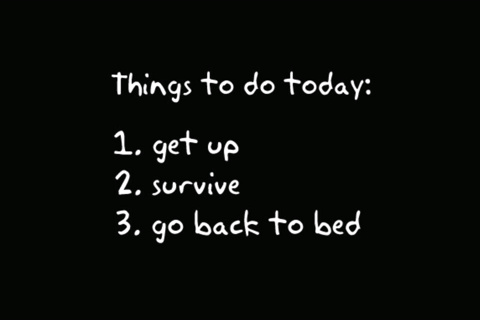
Or could there be another way?
That’s a big question. It’s a question that invites us to rethink society- what we expect from it, and what we value and prioritize. It’s a question that invites us to consider our participation in society and what we expect from ourselves.
I’ll admit I was raised with a strong work ethic. My Dad worked 6 days a week for most of my childhood. I remember older, long retired relatives saying things like, “I haven’t done a bit of work today, I haven’t earned my dinner.” For years, I thought my value came through and from my work. It’s taken years of intentional effort to feel less guilty about not working all the time.
But consider these words of Jesus,
No one can serve two masters; for a slave will either hate the one and love the other, or be devoted to the one and despise the other. You cannot serve God and wealth. Therefore I tell you, do not worry about your life, what you will eat or what you will drink, or about your body, what you will wear. Is not life more than food, and the body more than clothing? Look at the birds of the air; they neither sow nor reap nor gather into barns, and yet your heavenly Father feeds them. Are you not of more value than they? And can any of you by worrying add a single hour to your span of life? And why do you worry about clothing? Consider the lilies of the field, how their grow; they neither toil nor spin,yet I tell you, even Solomon in all his glory was not clothed like of these. But if God so clothes the grass of the field, which is alive today and tomorrow is thrown into the oven, will he not much more clothe you-you of little faith? Therefore do not worry, saying, ‘What will we eat?’ or ‘What will we wear?’ For it is the Gentiles who strive for all these things. But strive first for the kingdom of God and his righteousness, and all these things will be given to you as well. So do not worry about tomorrow, for tomorrow will ring worries of its own. Today’s trouble is enough for today. Matthew 6:24-34
We could, of course find more verses with a similar point. These Matthew verses are significant because they are part of the Sermon on the Mound (Matthew 5-7), where Jesus sets out his vision for how the world should be. This includes the Beatitudes, the commandment to love our enemies, and more. And it raises the question how does work fit into this vision of the kingdom of God? How does God want us to spend our days? Where does our values come from?
How can we do this? How can we live differently? Do we even, if we’re honest, want to?
- https://thenoosphere.substack.com/p/maybe-you-just-need-to-take-a-nap?fbclid=IwAR36eqZPsG13ZQUSjQEkica1sA8XiyiczRfXjR649mNKnsxH4NGfPfCTYlg_aem_ASmFZfC09sf-MVDPWlVuetEUiPSKvoYPdDNi9djEa-I7Z0w7HG7UCSKB5XuvZjTOGvh6TfUZXfMJ2ilKV3eBchM1 ↩︎
- https://www.ft.com/content/8dd71dc3-4566-48e0-a1d9-3e8bd2b3f60f?fbclid=IwAR10SpGoSPlE39aSz-Yb_HO6jz6IOgdrwJUVizDIa6loFh4hKzFhQXGznvQ_aem_ASn07coW8-3Gv9yq4ygC5rP_ZXxpIQLc7QHAqKRa8_asecJrL9bpegS0yvHSDs6xUwJR7fPIHguQx0m5tW160Sup ↩︎
 Conversation in Faith
Leave a comment